The Anchor Piece: How One Great Heirloom Makes Builder-Grade Rooms Feel Custom
Builder-grade rooms have a reputation problem. The floors are fine. The trim is fine. The light fixtures are… fine. But fine has a way of making a room feel like it’s waiting for someone else to move in. You don’t need a gut renovation to fix that. You need one great thing.
At Fabulous Home, we talk a lot about making beautiful rooms work in real life—rented apartments, first houses, hand-me-down furniture, and budgets that don’t stretch to custom millwork. The anchor-piece approach is one of our favorite shortcuts. Instead of trying to upgrade every surface at once, you choose a single meaningful object and let it do the storytelling. The room stops looking like a showroom and starts looking like yours.
Why one object changes the whole room
An anchor piece isn’t the most expensive thing in the room. It’s the most specific. It might be the chair your grandmother recovered in the 1980s, a lamp you found at an estate sale, a framed sketch from a trip, or a quilt with a pattern that makes you smile every time you walk past. Those pieces have a point of view. They give the eye somewhere to land and give the rest of the room permission to be quieter.
The trick is restraint. If every corner is competing for attention, nothing feels special. One strong object plus a calm background—neutral walls, simple window treatments, a sofa that doesn’t argue—creates the kind of tension designers love. You notice the heirloom more, and the builder-grade basics fade into the background where they belong.
How to choose your anchor piece
Start by asking what you would rescue first if you had to evacuate. That sounds dramatic, but it gets you past the “trendy versus timeless” debate fast. Then run your candidate through a few practical filters:
- It has a story. You don’t need a museum provenance, just a reason. “My aunt bought it in Chicago” counts.
- It has visual weight. Think shape, texture, color, or scale—something that holds a room together rather than disappearing into it.
- It works with your real life. A delicate silk settee is not an anchor if you have a golden retriever and a toddler. A sturdy vintage chair is.
- You love it even when it’s not styled. If it only looks good in a perfectly curated corner, it’s not the right piece.
The living room: let the chair be the main character
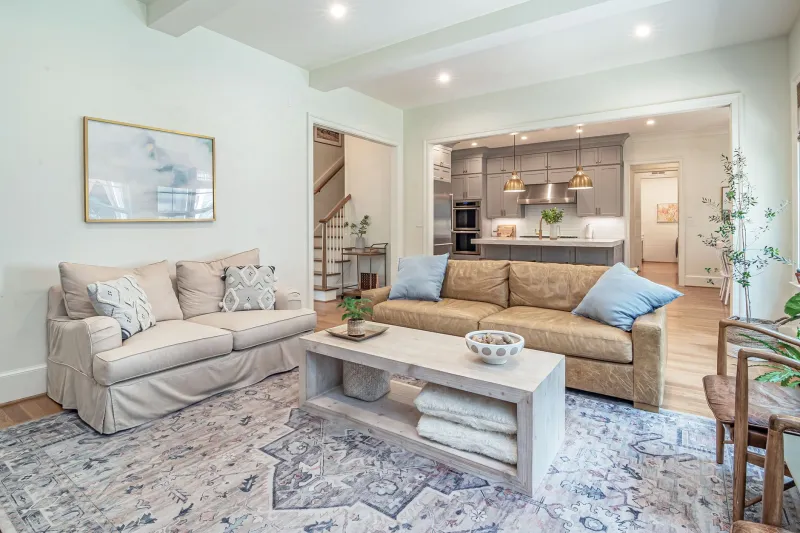
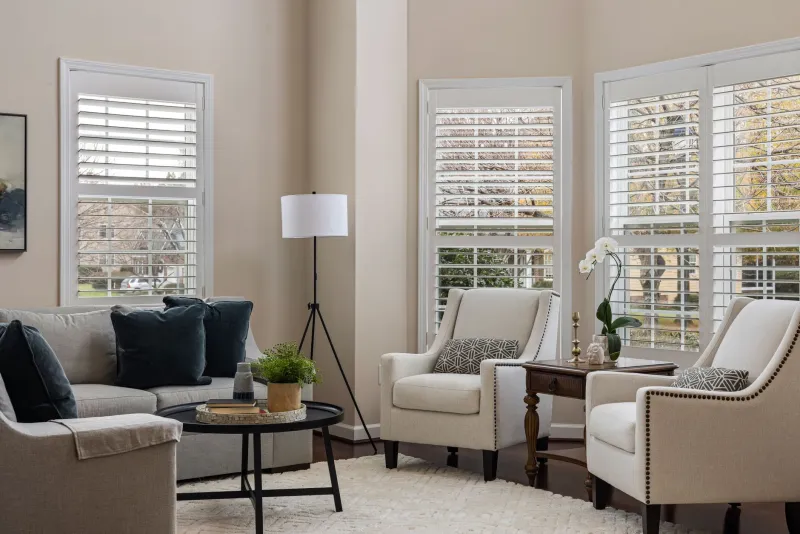
In a builder-grade living room, the inherited armchair is a classic anchor. Pull it slightly away from the wall, angle it toward the sofa, and give it a small side table. That’s it. You’ve created a conversation nook without touching the drywall.
Keep the sofa neutral—a slipcover from a big-box retailer can do wonders—and use budget finds for the supporting cast. A thrifted coffee table, a washable rug, and a few pillows that echo a color in the chair are enough. If the chair is patterned, go solid on the pillows. If the chair is solid, you can add a handmade textile or a vintage throw. The anchor piece should feel like the lead singer, not the whole band.
The bedroom: a quiet heirloom beats a matching set
Bedrooms are where builder-grade sameness gets extra obvious: matching nightstands, matching lamps, matching duvet. Break the set with one meaningful piece. A framed sketch above the bed, a handmade quilt folded at the foot, or a vintage lamp on one nightstand can make the whole room feel collected.
Renters, this is your moment. Use a leaning shelf or a picture ledge instead of drilling holes. Swap the generic bedside table for a small vintage stool or a Facebook Marketplace find. If you can’t change the overhead light, add a plug-in sconce or a warm table lamp and pretend the ceiling fixture doesn’t exist. The anchor piece doesn’t have to be large. It just has to be deliberate.
The dining room: one handmade textile does the heavy lifting
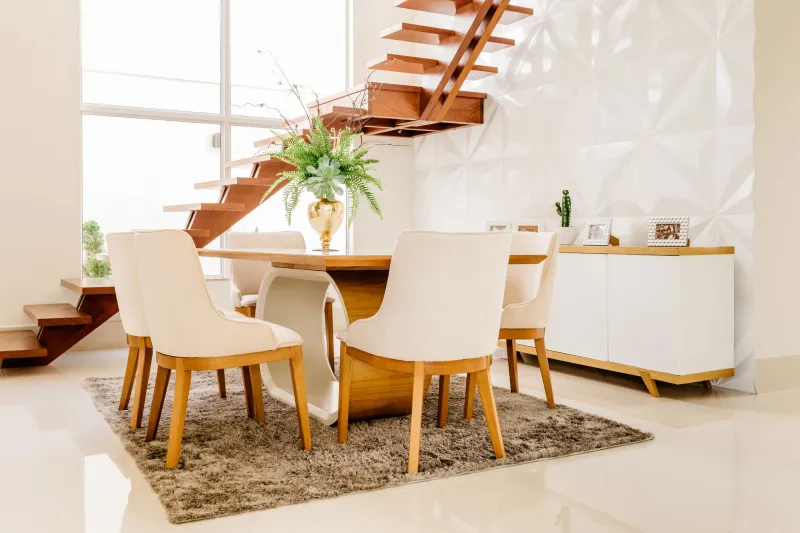
If your dining room is really a pass-through with a table, skip the full overhaul and start with fabric. A vintage tablecloth, a handwoven runner, or a set of inherited napkins can warm up a builder-grade space instantly. Add a simple vase with grocery-store flowers and you’re done.
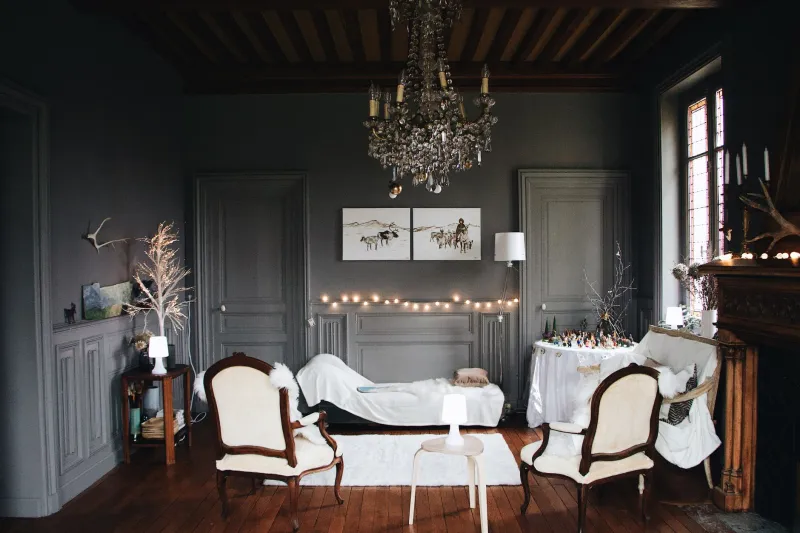
For a stronger anchor, consider a vintage pendant or chandelier—but only if you can swap it safely and store the original. If you’re renting, a plug-in pendant with a swag hook is a low-risk alternative. The goal is contrast: a room with standard cabinets and basic trim suddenly feels custom when one object has age, texture, or a story.
Entryway and kitchen: small anchors count
Not every anchor piece needs to be furniture. In an entryway, a vintage mirror or a small framed sketch above a hook rack can set the tone. In a kitchen, a handmade bowl on the counter or one beautiful mug on an open shelf can keep the space from feeling like a model home. The rule is the same: one thing gets to be special, and everything else supports it.
Budget finds that let the anchor shine
A great heirloom can get lost if the room is too busy. Keep the background calm with neutral paint, simple curtains, and a rug that doesn’t fight for attention. Mix in budget finds—baskets, plants, inexpensive lamps—but avoid matching sets. A little imperfection makes the anchor piece feel intentional rather than staged.
Also, don’t be afraid to repair rather than replace. A $12 can of spray paint can revive a thrifted lamp base. A washable slipcover can save a sofa you’re tired of. The anchor piece is the star, but the supporting cast can be affordable and still look polished.
The five-foot test
Before you call a room finished, stand in the doorway and take a photo. Then look at the photo from about five feet away. What does your eye land on first? If it’s the anchor piece, you’re on track. If it’s the TV, the cluttered counter, or the builder-grade light fixture, adjust the balance. Move the anchor, clear a surface, or add a lamp. Small shifts make a big difference.
One beautiful thing won’t renovate your house. But it can change how a room feels—and that’s usually the point. Start with the piece you already love, give it a little breathing room, and let the rest of the room follow.