From Dinner Party to Deadline: How to Make the Dining Room Your Everyday Room
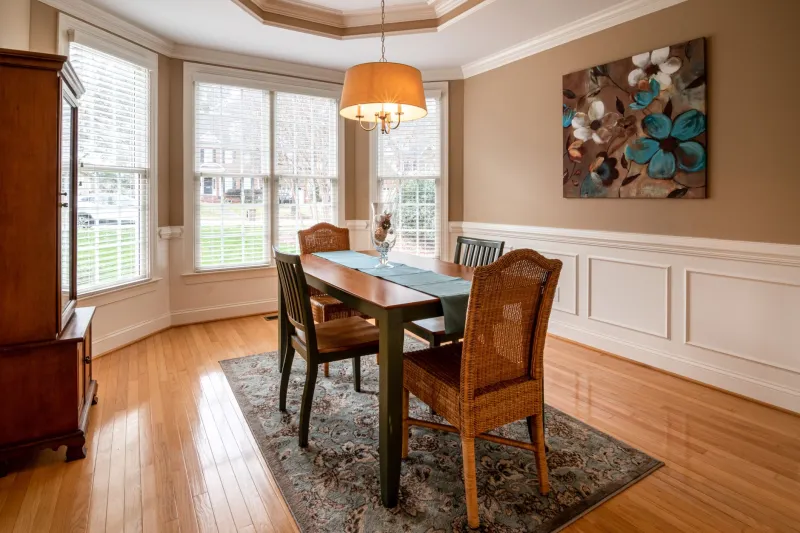
The dining room has spent years being treated like a museum exhibit: beautiful, off-limits, and a little dusty. But in plenty of US homes, that room is quietly getting its life back. It is where laptops open on Tuesday morning, where kids spread out science projects, where friends drop by for takeout, and where the good plates still come out when it matters.
That shift does not require a formal dining set or a renovation. It requires a room that can change its mind. The goal is a dining room that feels put-together on a random weeknight and still works for a holiday dinner. Here is a practical plan, with budget and renter-friendly moves, to make that happen.
Start with a table that can change its mind
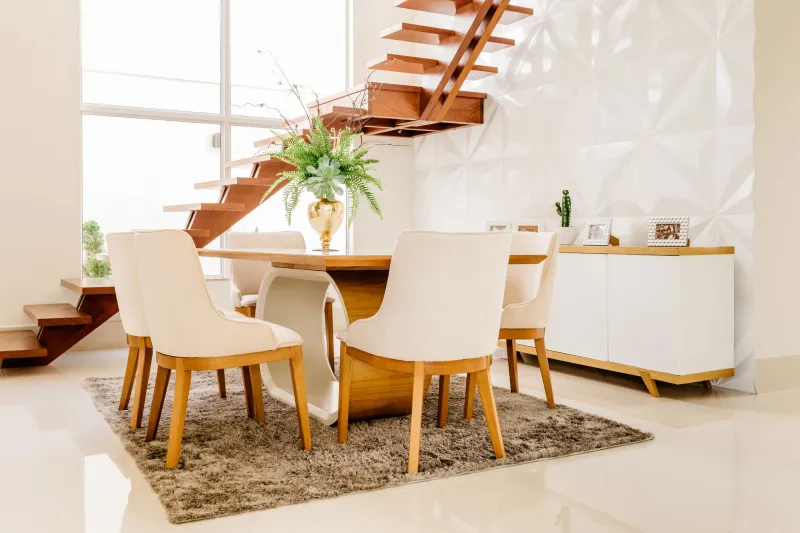
Furniture is the first hurdle. A giant, heavy table can make a room feel like a banquet hall, while a tiny bistro table can feel like a waiting area. Look for a table with some flexibility: an extendable version, a round table that seats four to six, or a sturdy table that can double as a desk. If you already own a table, keep it. Just make sure the chairs are easy to move. Lightweight chairs and a bench are your friends because they let the room shift from dinner to homework to game night without a workout.
Renters can use furniture sliders under heavy pieces and skip the built-in banquette. A pair of counter-height stools tucked under a console can add extra seating without crowding the room. On a budget, check thrift stores and Facebook Marketplace for solid wood tables that need a little love. A fresh coat of paint on the base and a sanded top can make a secondhand table look intentional rather than inherited.
Let the light work three shifts
Most dining rooms are lit for one thing: dinner. That single overhead fixture is usually too harsh for homework and too dim for hobbies. Layer the light instead. Keep a dimmable overhead fixture for meals, add a plug-in wall sconce or a slim floor lamp for ambient glow, and bring in a task lamp for work and reading. Warm bulbs in the 2700K to 3000K range make the room feel cozy without turning it yellow.
Renters should look for plug-in sconces, lamps with inline switches, and smart bulbs that can be dimmed from a phone. No wiring, no landlord drama. If the room has a window, leave it as clear as possible during the day. A sheer curtain or a simple Roman shade gives privacy without blocking the light that makes the room feel larger.
Storage that does not look like storage
An everyday dining room needs a landing spot for papers, chargers, craft supplies, and the random things that accumulate on tables. A sideboard or buffet is the classic answer, but a freestanding cabinet, a bookshelf with baskets, or even a dresser can do the job. Choose closed storage for the messy stuff and one open shelf for the pretty things: a bowl, a stack of books, a small plant.
If space is tight, go vertical. Wall shelves above a small desk area can hold office supplies in matching bins. A rolling cart can serve as a homework station and then roll out of sight. The key is to give everyday clutter a home so the table stays clear enough to actually use. On a budget, look for secondhand dressers and give them new hardware. It is one of the cheapest ways to add character and function at the same time.
The rug is the room's reset button
The right rug makes a dining room feel finished and defines the zone without walls. For a room that does double duty, choose a flat-weave or low-pile rug that chairs can slide over easily. A washable rug is a smart pick for families, and a rug pad keeps it from slipping. Size matters: the rug should be large enough that chairs stay on it even when pulled out. If that is not possible, a smaller rug under just the table can still work, but it will need to be anchored carefully.
Renters can use a large rug to cover a tired floor or add warmth to a rental. Budget-friendly options include washable rugs from major retailers, indoor-outdoor rugs that wipe clean, and vintage runners layered over a neutral base. Avoid anything too precious. This is a room for real life.
Style the table for real life
A dining table does not need a centerpiece that blocks conversation. Instead, think in trays and runners. A tray corrals salt and pepper, a small plant, and a candle, and it can be lifted out of the way when the table needs to become a desk. A table runner adds color without taking up usable space. A small lamp on a sideboard or buffet gives the room a warm glow that feels more living room than formal dining room.
For tabletop styling, mix practical pieces with one or two beautiful ones. A ceramic bowl for fruit, a stack of pretty napkins, and a vase with grocery-store flowers can do a lot. Change the styling with the season, but keep the core setup simple enough that you can clear it in under a minute. That is the difference between a dining room that gets used and one that gets admired from the doorway.
Make room for work and homework
If the dining room is going to handle remote work or homework, treat it like a workspace. Add a comfortable chair, a task lamp, and a small basket for chargers and supplies. Make sure there is an outlet nearby or use a power strip tucked behind a piece of furniture. A table that is too high or too low will make long work sessions miserable, so test it before you commit.
For kids, a rolling cart with pencils, paper, and headphones can turn the dining room into a homework station in seconds. For adults, a simple desk organizer and a tray for laptops keep the table from turning into a permanent office. The goal is not to hide the fact that the room works hard. It is to make the working part easy to tidy up when dinner is ready.
Renter-friendly swaps that stay on your side of the lease
Renters can make a dining room feel personal without losing the deposit. Plug-in sconces, removable wallpaper on a single accent wall, and peel-and-stick hooks are all low-commitment upgrades. Slipcovers can change the look of dated chairs, and a new rug can transform the floor without touching it. Freestanding storage is your best friend because it comes with you when you move.
If the overhead light is ugly, do not despair. A simple drum shade or a plug-in pendant can soften the look without rewiring. Command strips can hold lightweight art, and a leaning mirror can add light and space without a single nail. The trick is to choose upgrades that feel like furniture and decor, not construction.
A budget plan that does not feel budget
You do not need to do everything at once. Start with lighting and a rug, because they change the mood of the room fastest. Then add storage that hides the mess. Chairs can come later, and tabletop styling can be gathered slowly from thrift stores and clearance aisles. Paint is still one of the cheapest ways to make a room feel new, and a can of chalk paint can rescue a secondhand sideboard.
Shop your home first. A lamp from the living room, a basket from the closet, or a chair from the bedroom might be exactly what the dining room needs. The best everyday dining rooms are not the most expensive ones. They are the ones that are set up for real people, real schedules, and real spaghetti nights.
The everyday dining room test
Before you call the room done, run a simple test. Can you sit down with a laptop and a cup of coffee? Can a kid spread out a project without moving the candlesticks? Can six people eat dinner without someone elbow-checking the wall? If the answer is yes, the room is working. The dining room is back, but it is not asking for formality. It is asking for flexibility, a little storage, and permission to be used.