The Spare Bedroom Should Work on a Tuesday, Not Just Thanksgiving
The spare bedroom is often the best-behaved room in the house. The bed is made, the door is closed, and nobody touches the decorative soap. Then the holiday season arrives, and suddenly the room has to perform. That is a lot of pressure on a space that spends most of the year as a holding pen for luggage, wrapping paper, and unfinished projects.
A better approach is to design the spare room for an ordinary Tuesday. If it is pleasant to work in, easy to tidy, and comfortable for a weekend hobby, it will be ready for guests without a frantic overhaul. Here are eight ways to make that happen without turning your home into a furniture showroom.
1. Choose a bed that does not demand the whole room
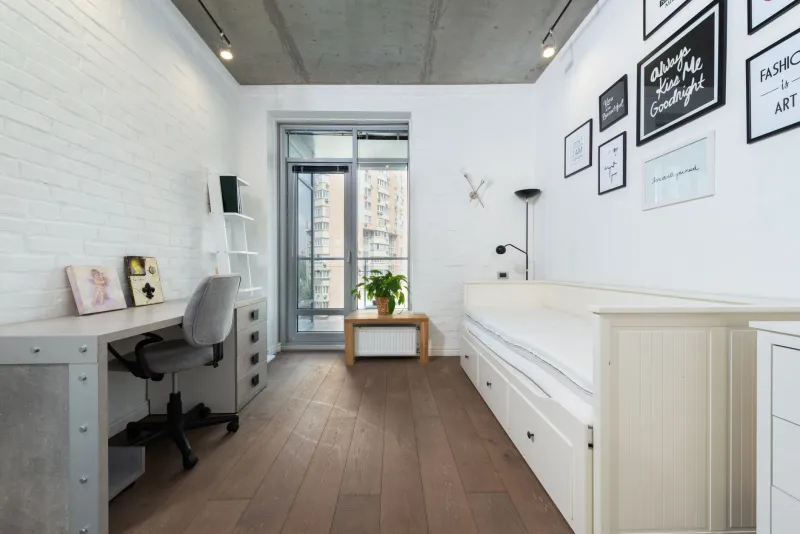
In many American homes, the guest bed is the biggest piece of furniture in the smallest room, and it sits there like a parked car. Convertible furniture solves that problem, but only if you choose wisely. A wall bed, sometimes called a Murphy bed, is the gold standard for a room that needs to do more than sleep one or two people. A daybed with a trundle works well for smaller spaces and younger visitors. A sleeper sofa can be fine, but do not buy the cheapest one and expect guests to rave about it.
Whichever route you take, protect the guest experience with a real mattress topper, fresh linens, and a place to set a suitcase. The goal is not to hide the bed; it is to make the bed feel like a deliberate choice rather than an obstacle.
2. Put the desk on a wall, not in the middle of the floor
A home office by day should not feel like a conference room by night. A slim floating desk, a wall-mounted drop-leaf table, or a narrow console can give you a genuine work surface without eating the room. Tuck a small chair underneath, keep the cords in a basket, and add a task lamp with a warm bulb.
If you take video calls, think about what is behind you. A simple piece of art, a shelf with a few books, or a curtain panel makes a better backdrop than a blank wall and a pile of laundry. The desk should be easy to clear at the end of the workday, because a guest room with a laptop and three coffee mugs on every surface is not restful for anyone.
3. Steal storage from the bed and the bench
Hidden storage is the quiet hero of a double-duty room. Under-bed bins hold extra blankets, off-season clothes, or hobby supplies. A storage bench at the foot of the bed gives you a spot to sit while putting on shoes and a place to stash pillows and throws. If you have room for a small dresser, choose one with deep drawers rather than open shelves that collect clutter.
Label the bins. This sounds boring, but it prevents the spare room from becoming the place where mystery objects go to live. Keep guest linens in one clearly marked spot so you are not hunting for a pillowcase at 11 p.m. before family arrives.
4. Make the closet do two jobs
The closet is often wasted in a guest room. Give it a clear purpose: half guest closet, half office or hobby storage. Install a shelf, add a few matching bins, and keep a rolling cart for supplies. Luggage can live there between visits, which frees up floor space and keeps the room looking calmer.
If the closet is small, use the back of the door. An over-door organizer can hold chargers, notebooks, craft tools, or extra hangers. The point is not to cram everything in, but to give every category a home so the room can reset quickly.
5. Layer light like the room has a personality
One overhead fixture is not enough for a room that needs to shift from work mode to guest mode. Add a bedside lamp for reading, a task lamp at the desk, and a floor lamp or plug-in sconce for softer light in the evening. Put the main light on a dimmer if you can. If you cannot, use warm bulbs and a few small lamps instead of relying on the ceiling light.
Layered lighting is one of the least expensive ways to make a room feel intentional after dark. It also helps guests navigate at night without flipping on a harsh overhead light and waking everyone else in the house.
6. Give weekends a hobby corner that folds up
Maybe you sew, practice yoga, play guitar, or spread out watercolor supplies on Sunday afternoons. A spare room can support those hobbies if you contain them. A fold-down table on the wall, a rolling cart, or a pegboard inside the closet keeps supplies accessible without letting them take over the room.
The rule is simple: the hobby lives in bins and on trays, not on every flat surface. When guests arrive, roll the cart into the closet, fold the table down, and the room becomes a retreat again. That flexibility is what makes the space useful all year rather than just during the holidays.
7. Decorate for your own home, then add guest comfort
A spare room should not feel like a beige holding cell. Treat the walls and windows like they belong to the rest of your house. Hang art you actually like, add a rug with some color, and use curtains that soften the window. The room can be neutral without being forgettable.
Then layer in the practical guest touches: blackout curtains, an extra blanket, a luggage rack or stool, and a small tray with towels, a phone charger, and a bottle of water. Keep it simple. The room should feel like a thoughtful part of your home, not a hotel annex with a decorative sign about coffee.
8. Build a ten-minute reset ritual
Every double-duty room needs a reset routine. When guests leave, strip the bed, wash the linens, wipe the desk, return hobby bins to the closet, and open a window. Before guests arrive, do a quick pass: fresh towels, an empty drawer, a clear nightstand, and a place to put a suitcase.
Keep a short checklist inside the closet door. This is not about being rigid; it is about protecting the room from becoming a dumping ground again. A ten-minute reset is much easier than a weekend-long rescue mission.
A spare bedroom is square footage, and square footage is expensive. Design it for the ordinary days, and hosting becomes easier because the room is already part of your life. The best guest room is not the one that waits all year. It is the one that works on a Tuesday, then welcomes friends and family without missing a beat.