The Square Footage You Forgot to Decorate: A Budget Guide to Ceilings
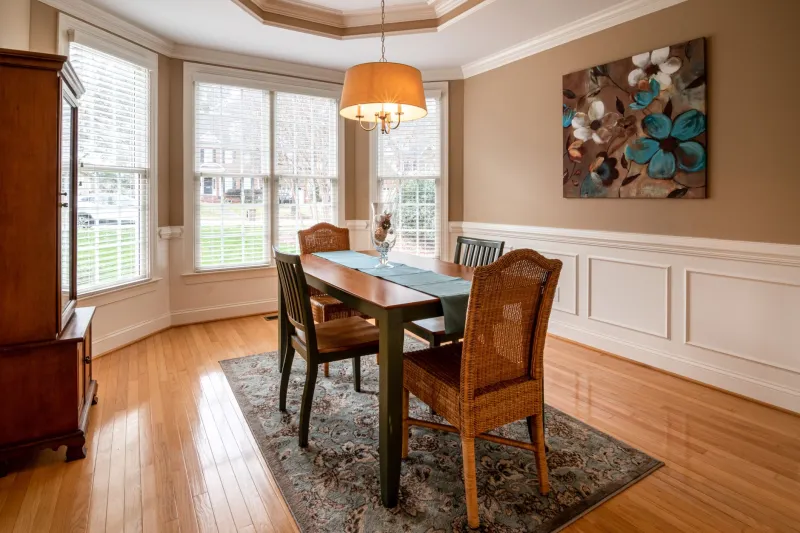
Walk into almost any beautifully styled room and your eye goes to the sofa, the artwork, the rug. The ceiling? Usually a flat expanse of builder-grade white. But here at Fabulous Home, we keep noticing that the most memorable rooms have something happening overhead. Not necessarily something loud or expensive. Just something deliberate.
That oversized blank square is the fifth wall, and in 2026 it is quietly becoming one of the smartest budget upgrades in the house. You do not need scaffolding, a contractor, or a full-room renovation. You need a plan that respects your ceiling height, your light, and your tolerance for a weekend project.
Why the ceiling is worth your attention
A ceiling treatment changes how a room feels before anyone can name why. A soft tint can make a standard eight-foot ceiling feel airier. A deeper color can make a dining nook feel cocooning. A simple band of molding can add architectural interest to a plain box of a bedroom. And unlike replacing flooring or reupholstering a sofa, many ceiling updates cost less than a nice lamp.
There is also a practical upside. Ceilings are less disrupted by daily life than walls. You do not have to move furniture away from them, and you do not have to worry about a kid's sticky fingerprints at that height. If you have been waiting for a low-stakes way to experiment with color or pattern, this is it.
Start with a quick ceiling audit
Before you buy a gallon of paint or a roll of wallpaper, spend ten minutes paying attention to the ceiling you already have. Measure the height. Note the direction of natural light. Check for water stains, peeling paint, or textured finishes that will affect adhesion. Look at the light fixture, too, because changing the ceiling often makes an old fixture look different.
As a general rule, lower ceilings do best with light, warm whites and satin or matte finishes. Rooms with nine- or ten-foot ceilings can handle more color, including soft blue-grays, sage, and warm blush. Vaulted or angled ceilings can carry deeper tones and simple beams without feeling heavy. North-facing rooms with cool light benefit from a touch of warmth; bright south-facing rooms can handle richer hues without turning gloomy.
The under-$100 paint plan
Paint is the easiest first step, and it is where most people see the biggest return. A one-gallon can of ceiling paint often runs $30 to $60, which makes a single-room refresh feel almost suspiciously affordable. Use a flat or matte finish for living rooms and bedrooms, and choose a satin or eggshell in kitchens and bathrooms where moisture and cooking steam are factors.
You do not have to stick to bright white. A pale tint of the wall color can create a subtle, custom look. Color-drenching, where the ceiling and walls are painted in the same hue, is especially effective in small rooms because it blurs the boundaries and makes the space feel larger. In a child's room or a home office, a soft sky blue or pale green overhead can add personality without overwhelming the room.
Prep matters more than the paint itself. Fill cracks, sand glossy spots, and use a stain-blocking primer over water marks after the leak has been fixed. Cut in carefully around the perimeter, use a roller with an extension pole, and apply two thin coats rather than one heavy coat. If you are nervous about the color, paint a sample on a piece of poster board and tape it to the ceiling for a day. Overhead light is different from wall light, and a color that looks gentle on a wall can read much stronger above your head.
Removable wallpaper and decals for renters
Renters, this section is for you. Peel-and-stick wallpaper has come a long way, and a ceiling is a low-traffic place to try it. A subtle trellis, a faux tin-tile pattern, or a simple star motif in a kids' room can transform the view without touching the security deposit. Budget roughly $40 to $100 for a small room, depending on the pattern and coverage.
The key is surface preparation. Peel-and-stick paper needs a smooth, clean, primed surface. It will not adhere well to popcorn ceilings, heavily textured plaster, or peeling paint. Test a small patch first, and avoid placing wallpaper near recessed lights or heat sources where the adhesive may soften. A smoothing tool helps work out bubbles, and a sharp utility knife gives you clean edges around fixtures.
Molding and beams without a major renovation
Trim is the detail that makes a ceiling look intentional. A simple picture-frame molding around the perimeter of a plain ceiling can add a custom touch for the price of a few trim pieces and a tube of paintable caulk. In dining rooms and primary bedrooms, crown molding remains a classic choice, though it does require more measuring and cutting.
For a faster weekend project, consider lightweight faux beams. Many are designed to wrap around existing joists or attach with adhesive and screws, and they can add warmth to a vaulted ceiling without the cost of solid wood. Just be careful in low rooms. Heavy beams overhead can make an eight-foot ceiling feel compressed, while a slim molding or a painted stripe can add definition without lowering the visual height.
A room-by-room cheat sheet
In the living room, keep it subtle: a warm white, a pale tint, or a simple perimeter molding. In the bedroom, lean cozier with a deeper hue or a quiet wallpaper pattern. In the kitchen, choose washable satin paint and wipeable trim. In the bathroom, moisture-resistant paint is non-negotiable. In a hallway, go lighter to lift the space and make the ceiling feel higher. In a kids' room, decals or a playful pattern can be a fun, removable win.
Mistakes to avoid
Do not paint over an active water stain without fixing the source. Do not choose a glossy dark color for a low ceiling unless you are deliberately going for a moody, cocooning effect. Do not install wallpaper over a textured surface and expect it to last. And do not forget the light fixture. A fresh ceiling often makes an old boob light look older, so budget for a simple shade or fixture swap if the room needs it.
Your weekend plan
Measure on Friday. Order paint, trim, or wallpaper that evening. Prep and paint on Saturday, or install trim and wallpaper if that is your route. On Sunday, rehang the fixture, touch up edges, and style the room as usual. The goal is not a museum-perfect ceiling. It is a room that feels finished from every angle, including the one you see when you flop onto the sofa.
Beautiful living, one room at a time, does not always mean the walls. Sometimes it means looking up.