Your Hallway Is a Room, Too: A $120 Weekend Rescue
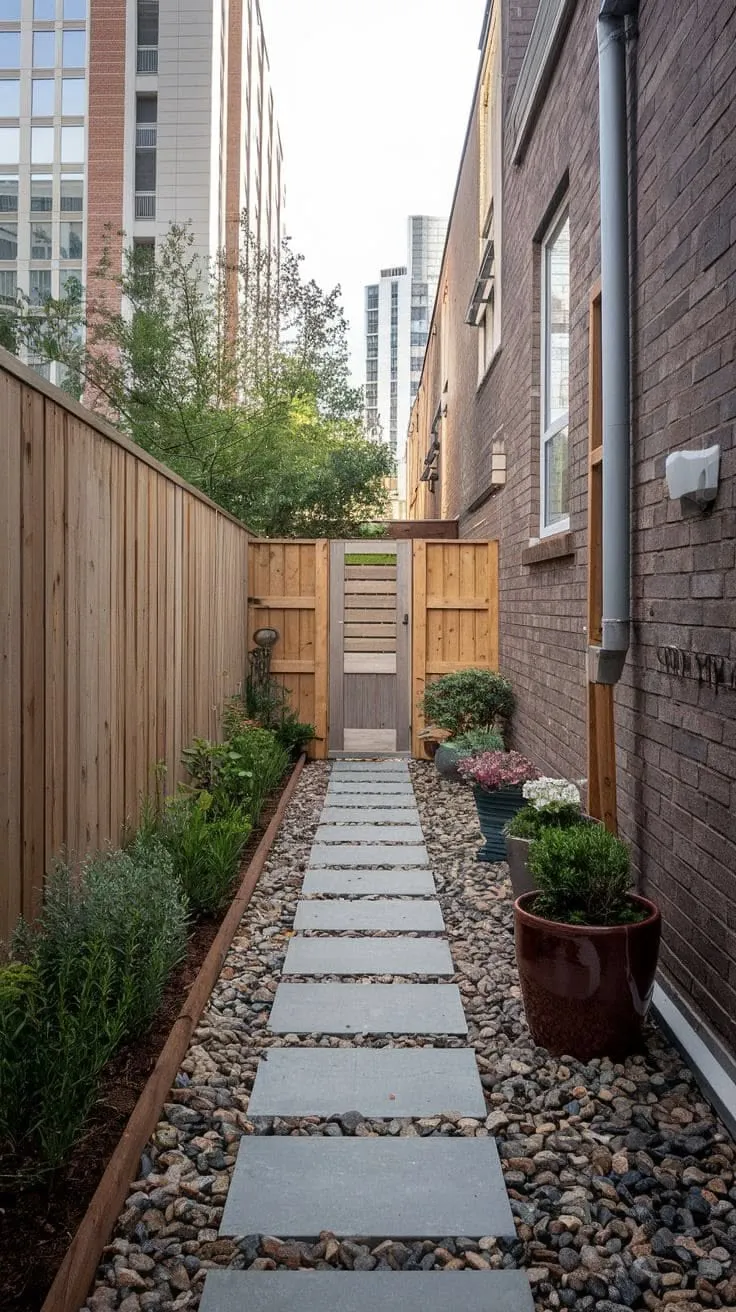
Photo: narrow hallway runner rug framed art plug in wall light, via i.pinimg.com
Hallways get walked through a hundred times a day and decorated approximately never. They’re the pass-through zone between the rooms we actually care about, so they end up with a random gallery wall, a sad runner, and a light fixture that hums. But a hallway is still square footage. It’s also the first thing guests see when they come out of the bathroom, which means it’s doing more emotional work than we give it credit for.
You don’t need a contractor or a full renovation to make a corridor feel intentional. You need proportions, one focal point, and one practical upgrade. Here’s a $120 plan you can finish in a weekend—most of it in about 90 minutes.
Start with proportions, not paint
The fastest way to make a hallway feel wrong is to buy a runner that’s too wide or too short. A runner should look like it belongs to the hallway, not like it’s trying to carpet the hallway.
A good rule of thumb: leave 4 to 6 inches of bare floor on each side of the runner. In a standard 36-inch-wide hall, that means a 24- to 28-inch-wide runner—not a 36-inch carpet that wallpapers the floor. Length-wise, stop 6 to 8 inches short of doorways so the rug doesn’t buckle under a swinging door. If your hall is longer than 12 feet, one long runner looks more intentional than two short ones. If you must use two, keep an 18-inch gap and match the pattern.
Low-pile or flatweave runners are the practical choice for high-traffic zones. They vacuum easily, they don’t trap pet hair the way shag does, and they’re less likely to trip up a guest carrying a laundry basket. Add an anti-slip pad underneath. It’s a $10 upgrade that makes a $45 runner behave like a $150 one.
The one-art moment that beats a random gallery wall
Hallways are narrow, so a crowded gallery wall can feel like visual traffic. Instead, choose one art moment. It can be a single large framed print at the end of the hall, a pair of stacked prints on the longest wall, or a mirror that bounces light into a dark corridor.
Hang the center of the art at about 57 to 60 inches from the floor. That’s the museum-ish standard, and it keeps the art in your natural sightline. If you’re hanging above a slim console or shelf, leave 6 to 10 inches between the top of the furniture and the bottom of the frame.
Scale matters more than price. A $20 thrifted print in a $15 frame can look custom if it’s the right size for the wall. A tiny gallery of six small frames can look like clutter in the same spot. Measure the wall, tape out the frame with painter’s tape, and live with the outline for an hour before you commit.
The practical upgrade that makes it feel intentional
If you only change one hardworking thing in the hallway, change the light. Most builder-grade halls have a single ceiling fixture that lights the floor but leaves the walls dark. A plug-in picture light or a slim plug-in sconce aimed at your art changes the whole mood. It creates a pool of light, gives the corridor a destination, and makes the art look more expensive than it is.
Renters can use a plug-in sconce with a cord cover, or a battery-operated picture light if there’s no outlet nearby. Homeowners can hardwire a sconce, but it’s not necessary for this plan. The goal is layered light, not electrical work. Add a warm bulb—around 2700K—so the hallway feels like part of the home, not a dentist’s office.
The $120 sourcing list
Here’s how the budget breaks down. Prices will vary by store and thrift luck, but this is a realistic US target.
| Item | Budget |
|---|---|
| Washable low-pile runner, 2x6 or 2x8 | $45 |
| Anti-slip rug pad | $10 |
| Framed art or vintage print | $30 |
| Plug-in picture light or sconce | $25 |
| Damage-free hooks and cord clips | $10 |
| Total | $120 |
Sourcing tips for renters: check estate sales for framed art, use a washable runner from a home store, and choose damage-free strips rated for the weight of your frame. If your hallway is very long, don’t blow the budget on two rugs. One long runner plus a clear path is better than two mismatched ones. If you already own a runner, spend the money on the light instead.
The 90-minute installation timeline
This is a weekend project, but the actual installation is short. Set a timer and work in order.
0–10 minutes: Clear and measure. Remove shoes, bags, and anything that lives in the hallway but shouldn’t. Measure the width and length. Use painter’s tape to mark the runner placement and the art outline.
10–20 minutes: Lay the runner. Roll it out, add the pad, and adjust until the bare floor margins are even. Walk the length of the hall. If the runner slides, add rug tape at the corners.
20–35 minutes: Hang the art. Use a level. If you’re renting, use damage-free hooks or a leaning frame on a slim shelf. Step back and check the height from both ends of the hall.
35–55 minutes: Install the light. Plug in the sconce or picture light, secure the cord with clips, and aim the light at the art. Turn it on and turn off the overhead light. Adjust until the glow feels warm, not theatrical.
55–70 minutes: Style the landing zone. Add a small tray for keys, a hook for the dog leash, or a shallow bowl for mail. Keep it narrow—12 inches deep or less—so the hallway still feels like a hallway.
70–90 minutes: Test and edit. Walk through with the lights on and off. Check that the runner doesn’t bunch at the door. Make sure the art is visible from the living room. Remove anything that makes the corridor feel narrower.
Renter-friendly swaps and landlord notes
Renters should avoid drilling into plaster or tile if they can. Use damage-free hooks for lightweight art, a plug-in light with a cord cover, and a runner with a rubber backing or pad. If your lease allows small nails, a single well-placed frame is still a low-impact change. Keep the walkway clear—most building codes want at least 36 inches of clear width in a corridor, so don’t add a console that turns a hallway into an obstacle course.
If you have pets or kids, choose a washable runner and keep the art above shoulder height. A hallway should handle real life, not just look good in a photo.
The last five feet
Stand at one end of the hallway and look toward the other. You should see a runner that fits, one piece of art that gives the eye a destination, and a light that makes the corridor feel warm. That’s it. No gallery wall required. No renovation. Just a pass-through space that finally acts like a room.