The Mantel That Outlives the Holidays: A $75 Winter Formula for Deep January
There is a specific kind of quiet that happens after the holiday decorations come down. The tree is gone, the cards are packed away, and the mantel — which looked so generous and festive two weeks ago — is suddenly just a long empty shelf above a fireplace. Maybe you leave a stray pinecone there for a while. Maybe you tell yourself you will deal with it in February. Then February arrives, and the mantel still looks like it is waiting for someone else to decorate it.
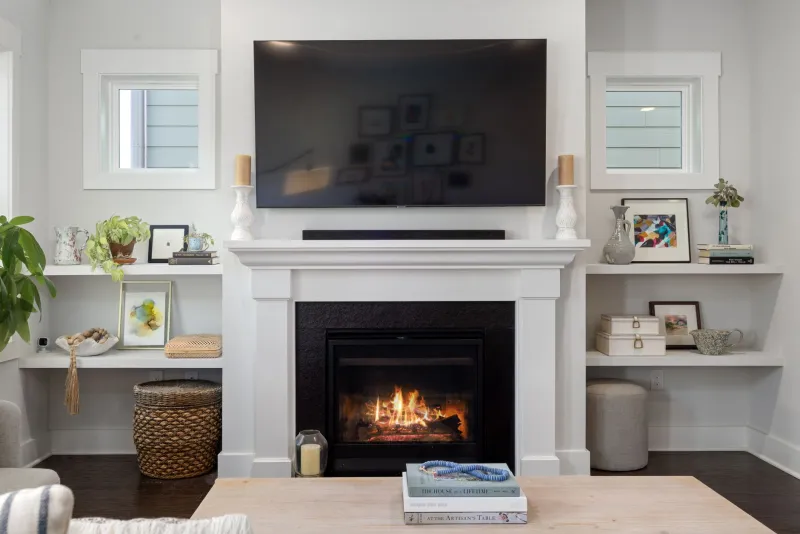
The fix is not more holiday decor. It is a winter formula that never depended on the holidays in the first place. Think of it as a layered look built from four simple ingredients: soft texture, a little height, warm light, and one organic element. It costs about $75, takes maybe fifteen minutes to arrange, and — best of all — it looks intentional in January, February, and the gray stretch of March when everyone is ready for spring but the weather has not gotten the memo.
The Four-Layer Formula
A good winter mantel is not a theme. It is a composition. You want a few pieces that talk to each other, plus enough empty space to keep things calm.
Layer one: a soft foundation. Start with a table runner, a folded wool scarf, or a length of chunky linen draped across the mantel. This softens the hard edge and gives everything else a place to sit. Keep it neutral — oatmeal, charcoal, soft brown, faded olive — so it works with whatever else is in the room.
Layer two: weight and height. Books do the heavy lifting here, literally and visually. A short stack of hardcovers under a candleholder or beside a vase gives the arrangement some architecture. Thrifted books are perfect for this because you can choose them by spine color and size instead of by title. Remove the dust jackets if you want a cleaner, more modern look.
Layer three: candlelight. Battery-operated taper candles are the quiet hero of this formula. They give you the glow without the fire worry, especially important if your mantel is near books, dried stems, or a textile runner. Mix heights — a couple of tall tapers, one shorter pillar — and cluster them slightly off-center rather than spacing them like soldiers.
Layer four: one organic element. This is the piece that keeps the mantel from feeling like a store display. Choose one bunch of dried eucalyptus, a few bare branches, a small potted fern, or a bowl of clementines. One is enough. More than one and the mantel starts to feel busy and seasonal in a way that will tire you out by mid-February.
The $75 Shopping List
Prices will vary depending on what you already own and where you shop, but this is a realistic budget for a fresh look. Check your home first — a scarf, vase, or stack of books you already have can knock the total down fast.
| Item | Budget |
|---|---|
| 2 battery-operated taper candles with holders | $20 |
| Neutral table runner or thrifted wool scarf | $16 |
| 4 hardcover books from a thrift store | $8 |
| Dried eucalyptus bunch or bare branches | $12 |
| Small ceramic vase or bowl | $10 |
| Removable adhesive hooks or strips | $7 |
| Total | $73 |
The extra $2 is your cushion for tax or a slightly nicer bundle of stems. If you already have candleholders, put that money toward a second organic element — but still keep it to one main type of stem or branch.
How to Style It in 15 Minutes
Clear the mantel completely. This matters. Trying to style around leftover decor usually produces a look that feels cluttered rather than collected.
Drape the runner so it hangs a few inches down one side, not perfectly centered. Symmetry can be lovely, but a slightly off-center foundation feels more relaxed and lived-in. Next, stack three or four books on one side of the mantel. Leave the other side open. Place your tallest candleholder on top of the books, then add the shorter candles nearby at different heights. Tuck the vase of dried stems on the open side, slightly behind the candles so the arrangement has depth.
Step back and look for negative space. You want at least one quiet gap on the mantel — a place where the eye can rest. If everything is touching, remove one thing. If the arrangement feels too sparse, add a small bowl or a second book stack, but resist the urge to fill every inch.
Why This Works Past January
Holiday decor has a deadline built into it. Snowmen, red bows, and evergreen garlands all announce a specific season, and once that season passes, they start to look tired. This formula relies on texture and light instead of symbols. A wool runner, a warm candle, a stack of books, and a few dried stems do not belong to December. They belong to winter as a whole.
That is why the look can carry you through March. When you are ready for a small refresh, swap the organic element. Replace dried eucalyptus with pussy willow branches in late February, or add a small pot of bulbs when spring starts showing up at the grocery store. The foundation stays put, so the mantel evolves without a full redo.
Renter-Friendly Mantel Moves
If you cannot drill, hang, or alter your mantel, you can still get the full effect. Use removable adhesive hooks for lightweight items only, and follow the package instructions carefully — especially on painted or vintage surfaces. A leaning framed print or mirror can add height without a single nail. Battery-operated candles and a draped runner are completely damage-free. For the organic element, choose a vase or bowl that sits directly on the mantel rather than anything that needs to be suspended.
If your fireplace is purely decorative or you are not using it, this arrangement works beautifully. If you do burn fires, keep textiles, books, and dried stems well away from the firebox, and choose battery candles over real flames near flammable decor.
No mantel at all? Use the same four layers on a console table, dresser, or floating shelf. The formula is not really about the fireplace. It is about giving a long, empty surface a sense of purpose — and making the coldest stretch of the year feel warm, layered, and finished.