Pet Gear Doesn’t Have to Ruin the Room: Eight Polished, Practical Moves
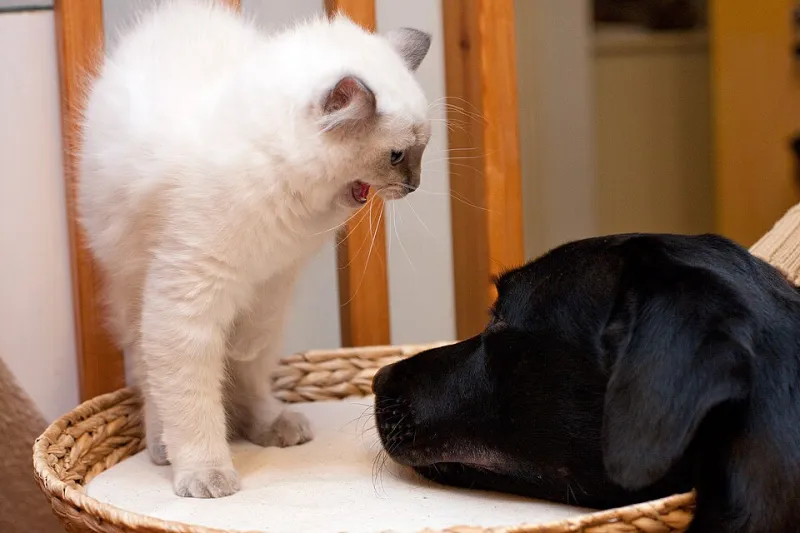
Photo: Antti, CC BY 2.0, via Wikimedia Commons
I love a showroom-clean living room as much as anyone, but I’ve also stepped over a squeaky chicken at 6:45 a.m. Real homes have pet gear. The question is whether the gear gets to decorate the room for you.
The answer isn’t a giant plastic bin beside the sofa. That just makes the dog stuff look like a laundry problem with a lid. The better move is to treat pet gear like any other part of the room: give it a place, choose materials that can handle real life, and edit often. Here are eight moves that keep a home feeling polished and pet-friendly—without hiding the dog.
1. Make washability the first filter
If it can’t go in the washer, it doesn’t come into the living room. That’s the rule. Look for washable slipcovers, performance fabrics, low-pile rugs, and pet beds with removable covers. A washable throw over the sofa is not a compromise; it’s a design decision that lets you keep the sofa you actually like.
In the US, “performance fabric” has become a real category, not just a marketing phrase. You don’t need to test it with a glass of red wine in the store. Just check the care label. If the cover is dry-clean only and your dog is a lab, keep looking.
2. Build a concealed feeding station
Bowls on the floor are fine until they’re in the middle of the kitchen traffic lane. Give them a home. A shallow storage bench with a pull-out tray, a lower cabinet with the door removed, or a boot tray tucked under a console can corral bowls without making them a shrine.
Renters can use a slim bench or a lidded basket with a cutout. Measure the bowl height first—especially for larger dogs—so they aren’t eating with their necks craned. Keep the food bin sealed and nearby but out of sight. The goal is a feeding zone that looks like furniture, not a pet aisle endcap.
3. Rotate toys instead of displaying them
Dogs don’t need every toy available at once. Neither does your living room. Keep one small basket in the main room and store the rest in a closet. Rotate every week or so. The dog gets novelty; you get floor space.
Choose a basket with a lid or a shallow woven tray that fits under a console. If the toys are ugly—and some are—let the basket do the visual work. A neutral woven basket reads as texture, not clutter. A neon plastic bin reads as a yard sale.
4. Create a wet-paw landing zone
This is the move that saves floors and makes the entry feel intentional. Put an absorbent mat by the door, a small towel hook at dog height, and a shallow tray for muddy leashes or tennis balls. In a mudroom, great. In a rental apartment, a washable runner and a damage-free hook can do the same job.
The landing zone should be within reach of the door but out of the main walking path. A microfiber mat, a stack of old towels, and a spray bottle of pet-safe cleaner are not glamorous, but they keep the rest of the house from becoming the cleanup zone.
5. Give the crate a furniture job
The crate is a den, not a design failure. If it’s in the living room, give it a job: side table, console extension, or a covered end table with a lamp on top. There are wooden crate covers and furniture-style crates, but you can also drape a washable textile over a wire crate and call it a day—as long as the dog still has ventilation and can see out.
Don’t hide the crate in a far bedroom if the dog wants to be near you. A crate in the corner of the living room, topped with a tray and a small lamp, can look intentional. The dog gets company; you get a surface for your coffee.
6. Pick one pet color and repeat it
Pet gear multiplies. A leash here, a bed there, a blanket in the car. If every item is a different color, the room looks like a pet store exploded. Pick one color family—navy, olive, caramel, charcoal—and repeat it in the bed, leash, blanket, and toy basket.
This is not about matching everything perfectly. It’s about making the gear look like it belongs to the room. A caramel leather leash on a brass hook beside a caramel dog bed reads as a deliberate choice. A rainbow of nylon leashes reads as clutter.
7. Upgrade the leash hook
Most homes have a pile of leashes on the counter or a hook behind the door that’s held together with hope. Replace it with a proper wall hook, a small basket, or a narrow shelf with hooks. Renters can use a damage-free hook rated for the leash weight. Homeowners can install a simple wood rail with three hooks.
Keep the hook near the door but out of the sightline from the sofa. Add a small tray on top for keys and poop bags. This is a five-minute upgrade that makes the entry feel less like a staging area for walks and more like part of the house.
8. Keep floors and upholstery honest
If you have a dog, white velvet is a lifestyle choice, not a decorating plan. Choose materials that can handle nails, fur, and the occasional accident. Leather and performance fabrics wipe clean. Low-pile rugs vacuum easily. Washable throws protect the sofa without looking like a bedsheet.
Vacuum often, keep a lint roller in the entry, and accept that some fur is part of the deal. The goal isn’t a pet-free showroom. It’s a room where the pet gear has a place, the sofa still looks like a sofa, and you’re not apologizing to guests for the smell of wet dog.
The real-life test
A polished pet-friendly room should pass the Tuesday test: a muddy walk, a bowl of dinner, a squeaky toy, and a nap on the sofa. If the room still feels like a room—not a pet supply closet—you’ve done it right. The dog still lives there. The design just lives there, too.